 Growney
 blog
Short reads for grown-ups about the questions children ask. Space, dinosaurs, the world, the body, money and growing up. Every fact has a source.
-
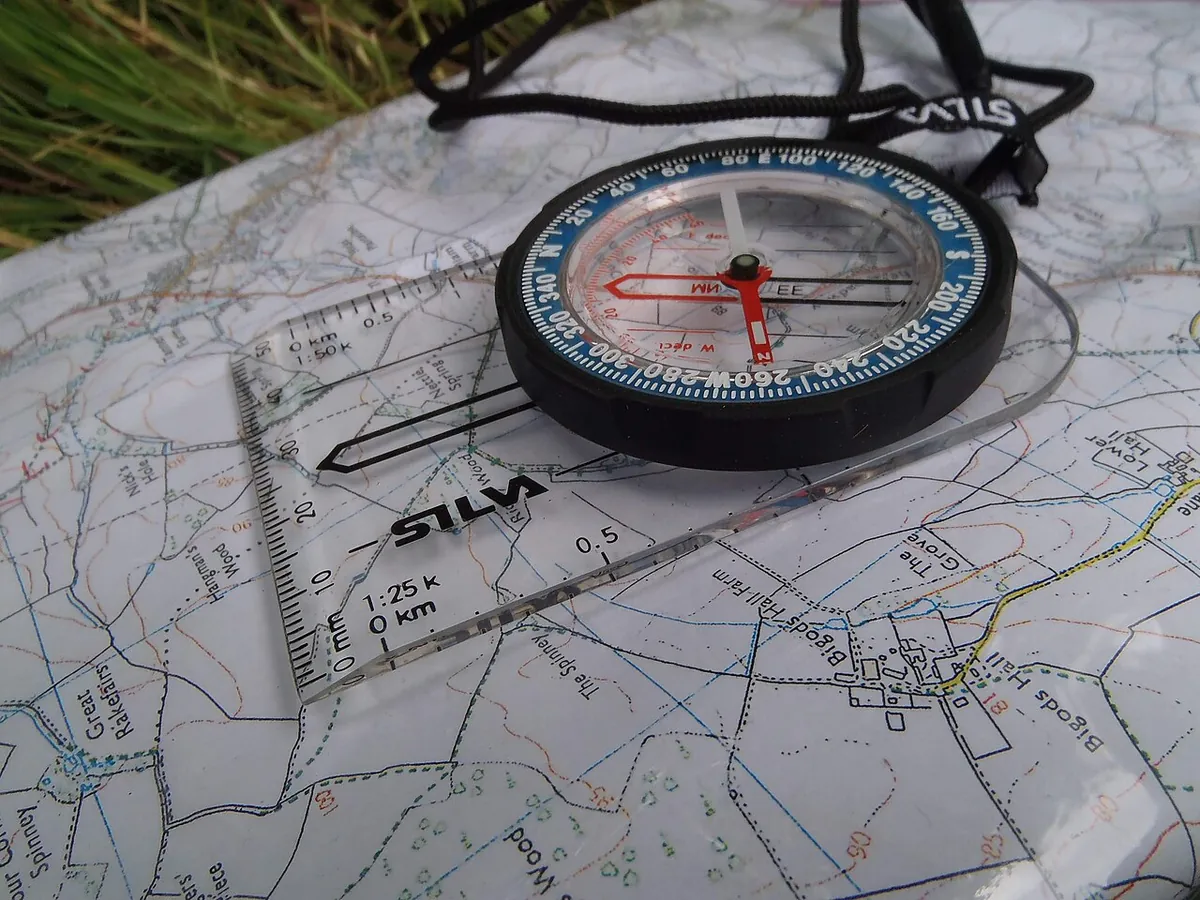 How to teach a child to read a map. Games at home and outdoors
How to teach a child to read a map without drills. What scale, the key and the compass rose mean, what research says about young children and maps, and five games.
-
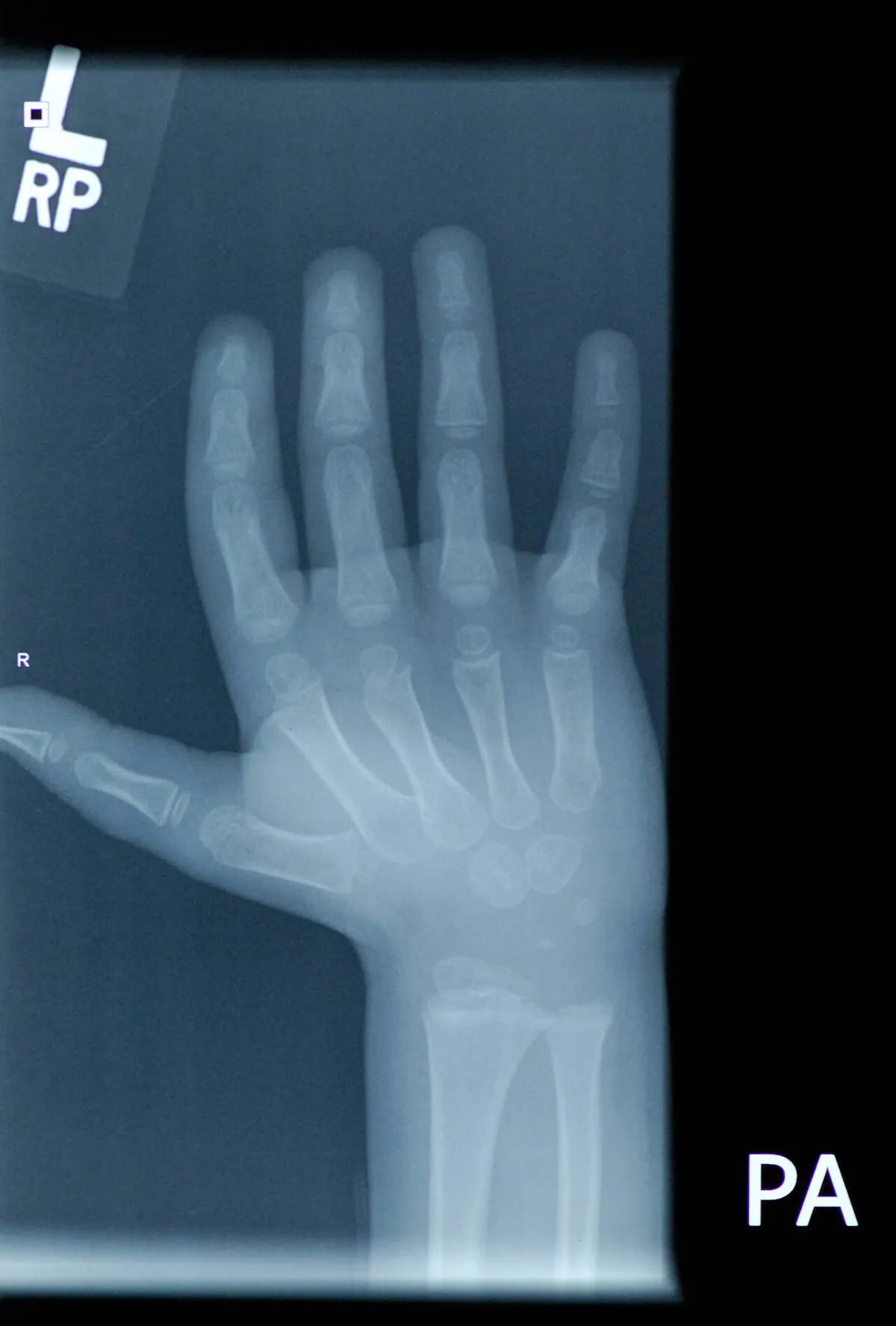 Why do babies have more bones than adults? How to explain it
How many bones a baby has compared with an adult, where the extra ones go and what the soft spot is. A simple explanation and a game for finding your own bones.
-
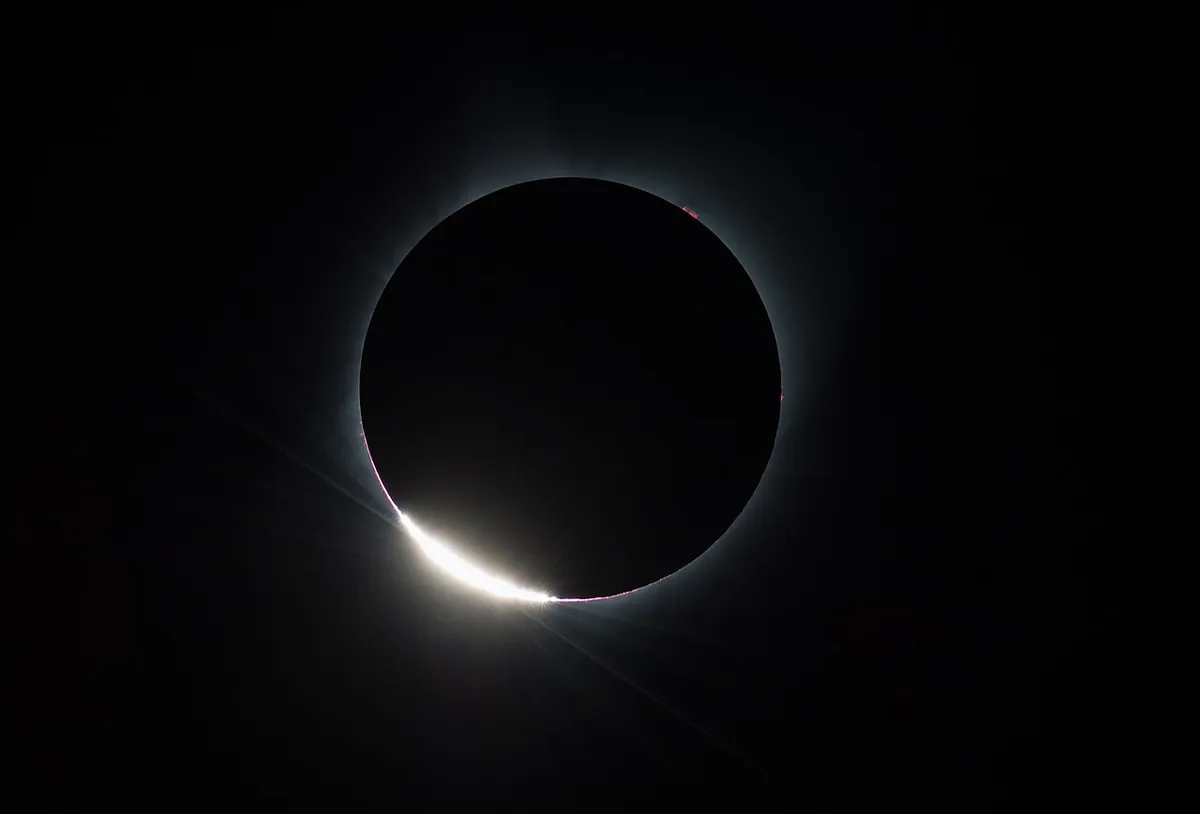 How big is the Sun? How to explain it to a child
How big the Sun is compared with Earth, and why it looks so small. Simple answers for a child and a model with a basketball and a pin.
-
 Why do children ask “why” so often, and how to answer
How many questions young children ask, what research says about all those “whys”, and how to answer when you are tired or simply do not know.
-
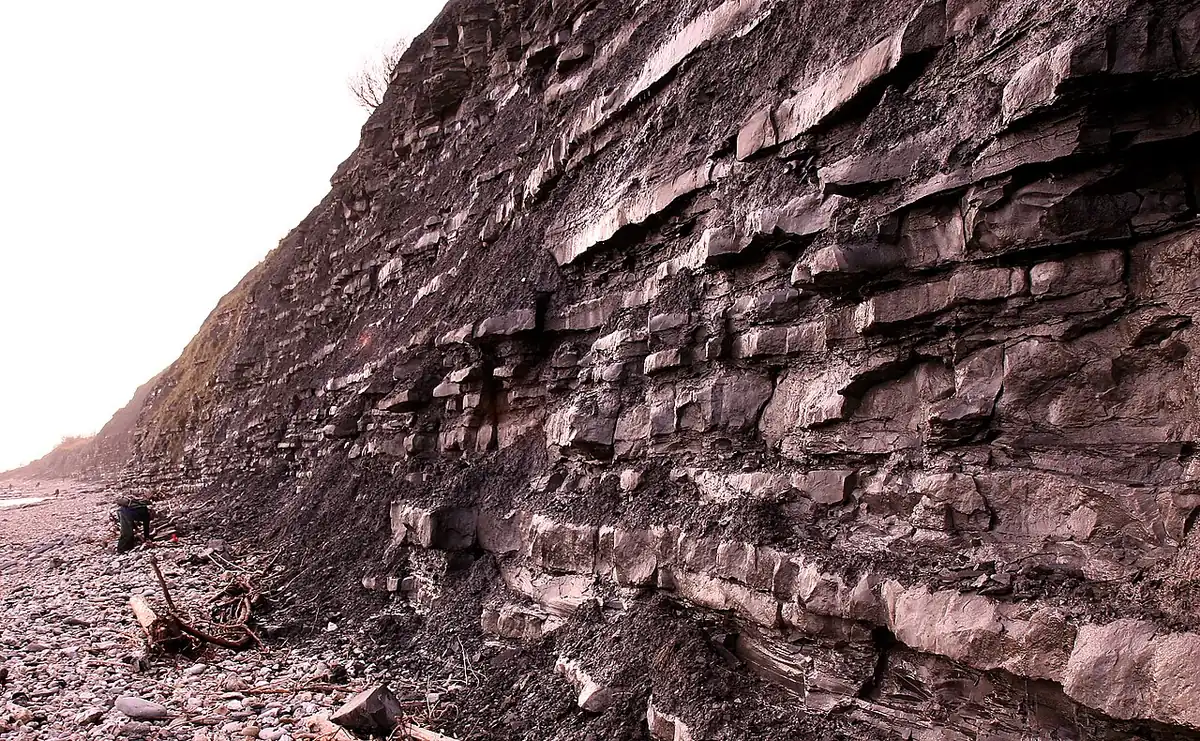 How do fossils form? Explaining it to your child
How a dinosaur bone turns to stone, why fossils are so rare and where to look for them. Explained with the Natural History Museum in London, plus an easy home experiment.
-
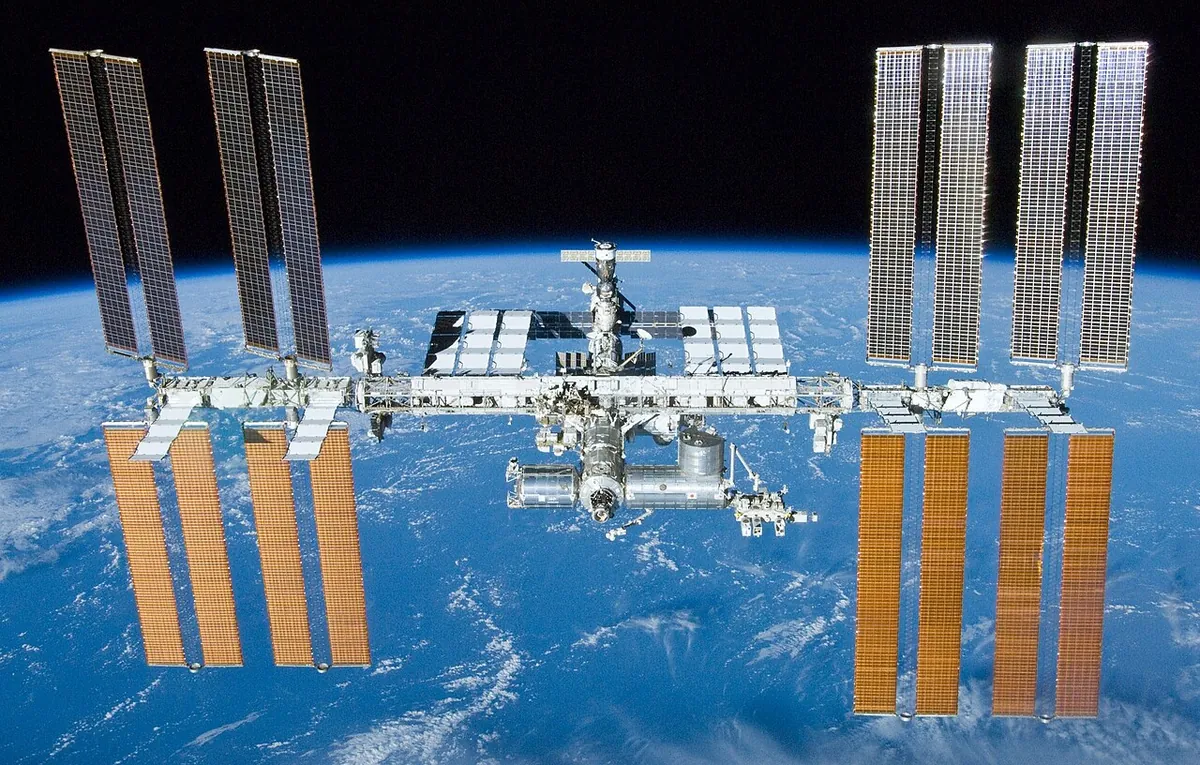 How astronauts sleep, eat and wash on the ISS, explained simply
How astronauts sleep, eat and wash on the ISS with no shower and no crumbs. Simple answers for a child and a space day game to play at home.
-
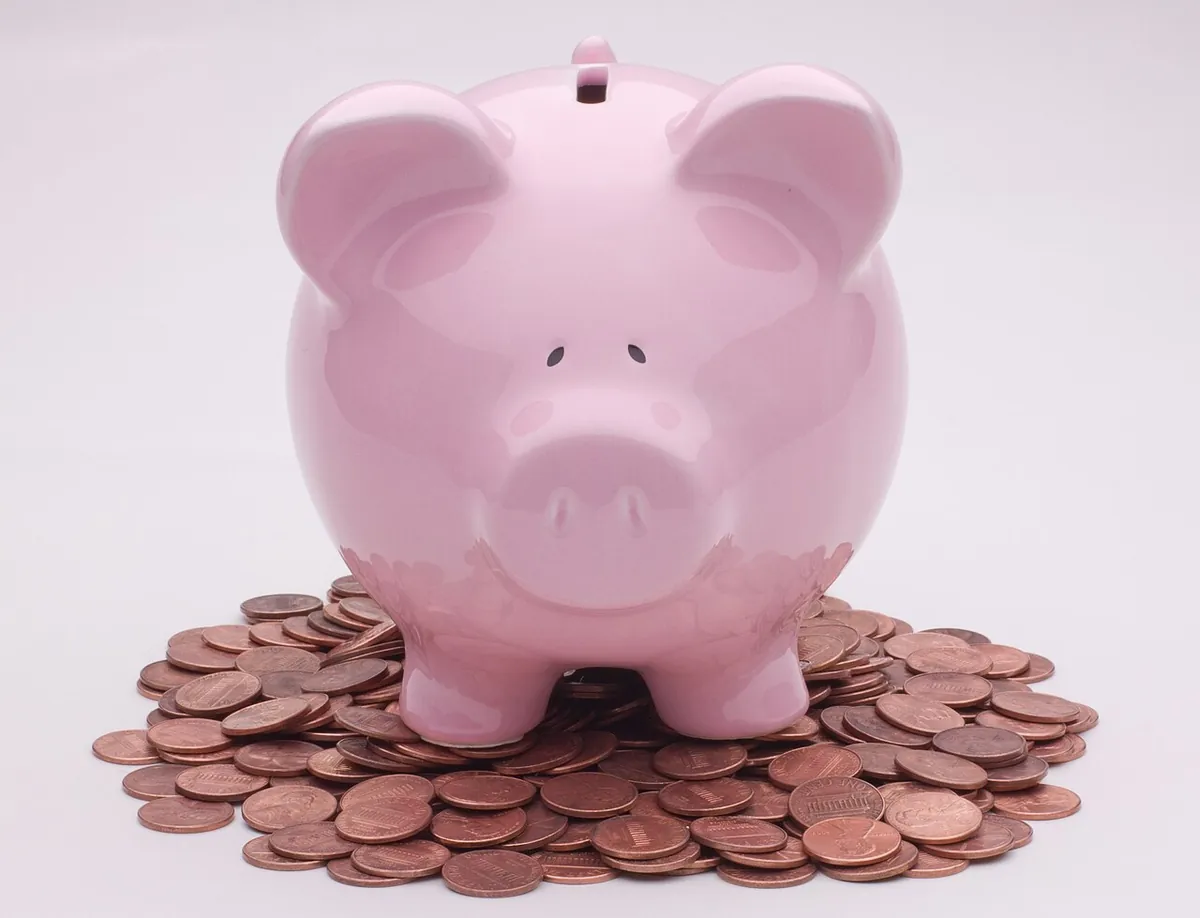 How to teach a child to save for something they want
Why waiting is so hard for children, what the famous marshmallow test really showed, and how to help them save for a bigger purchase with a jar, a drawing and patience.
-
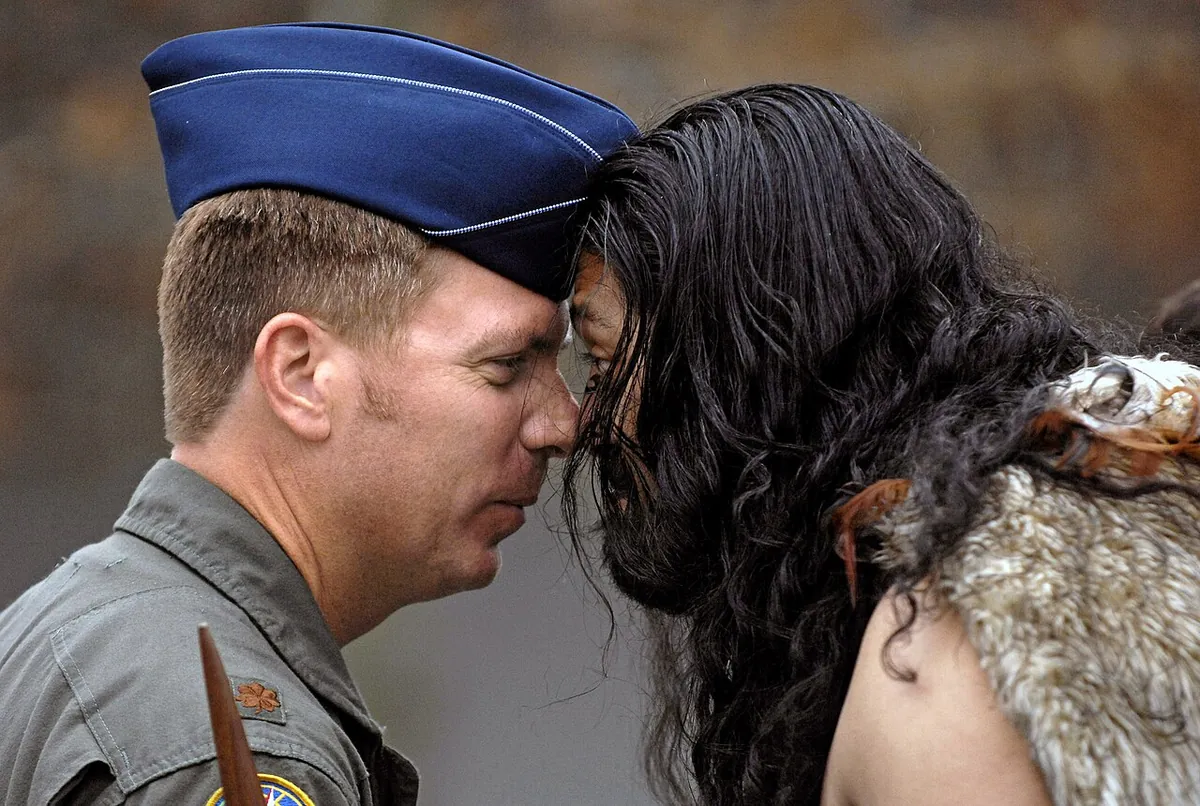 How to say hello in ten languages. A travel game to play at home
What "ciao", "namaste", and "kia ora" actually mean, why people bow in Japan and touch noses in New Zealand, and a fun world-travel game for your living room.
-
 Why are birds called dinosaurs? How to explain it to a child
Why the pigeon in the park is a cousin of T. rex. What birds and dinosaurs share, how scientists proved it, and a simple game with a chicken wishbone at home.
-
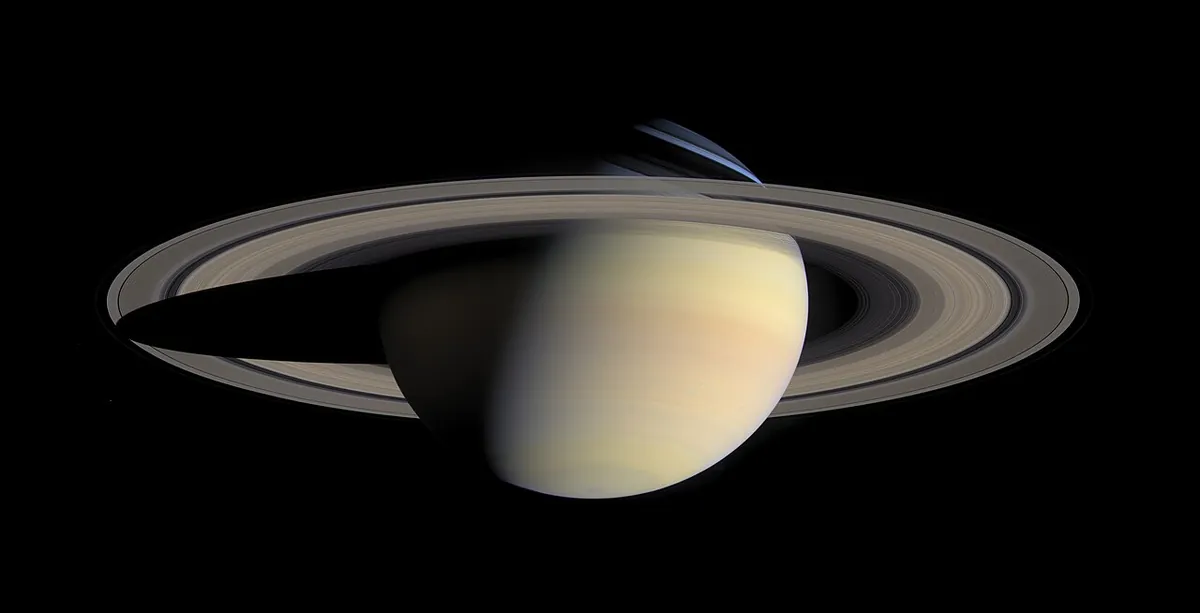 Why are planets round? How to explain it to a child
Why Earth and Saturn are round while a moon of Mars looks like a potato. A simple explanation of gravity, a circle game and a modelling clay experiment.
-
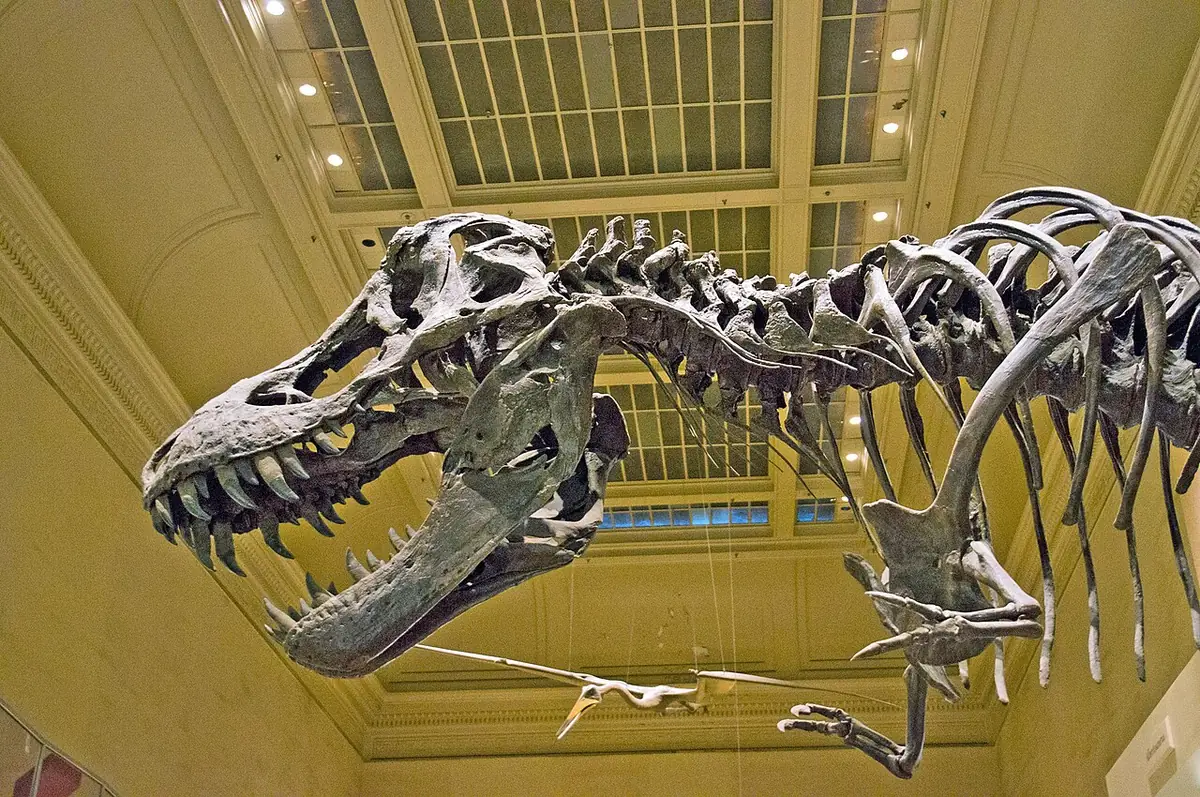 Why did T. rex have such short arms? What scientists say
Why T. rex had a huge head and tiny arms. Three ideas from scientists, a 2026 study and a simple game that lets children feel it for themselves.
-
 How much screen time do doctors recommend, and how to agree on it
How much screen time the WHO and the American Academy of Pediatrics recommend for children, why a video call with Grandma is different, and how to make a family screen plan.
-
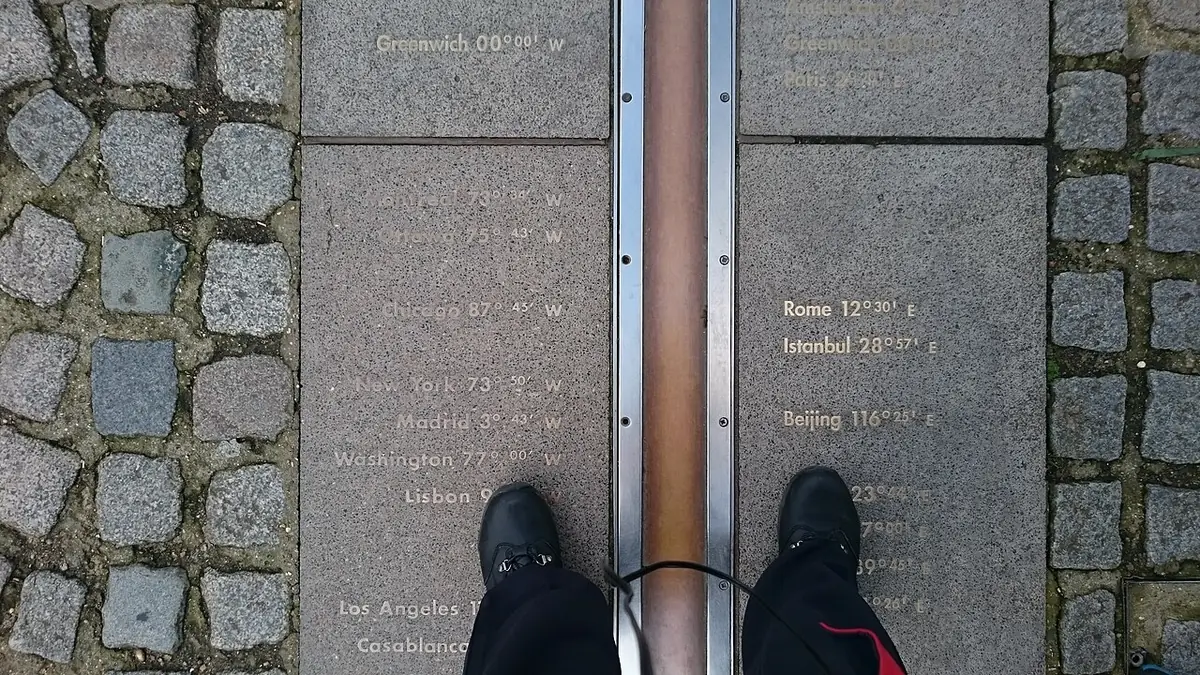 Why do countries have different times? Explaining it to a child
Why is it already evening in Kyiv but still daytime in London? A simple guide to time zones, the Prime Meridian, and the date line, complete with a lamp and orange experiment.
-
 Why is the sky blue and the sunset red? Explaining it to a child
How to easily explain to a child why the sky is blue and the sunset red, complete with a quick kitchen experiment and a fun fact about Mars.
-
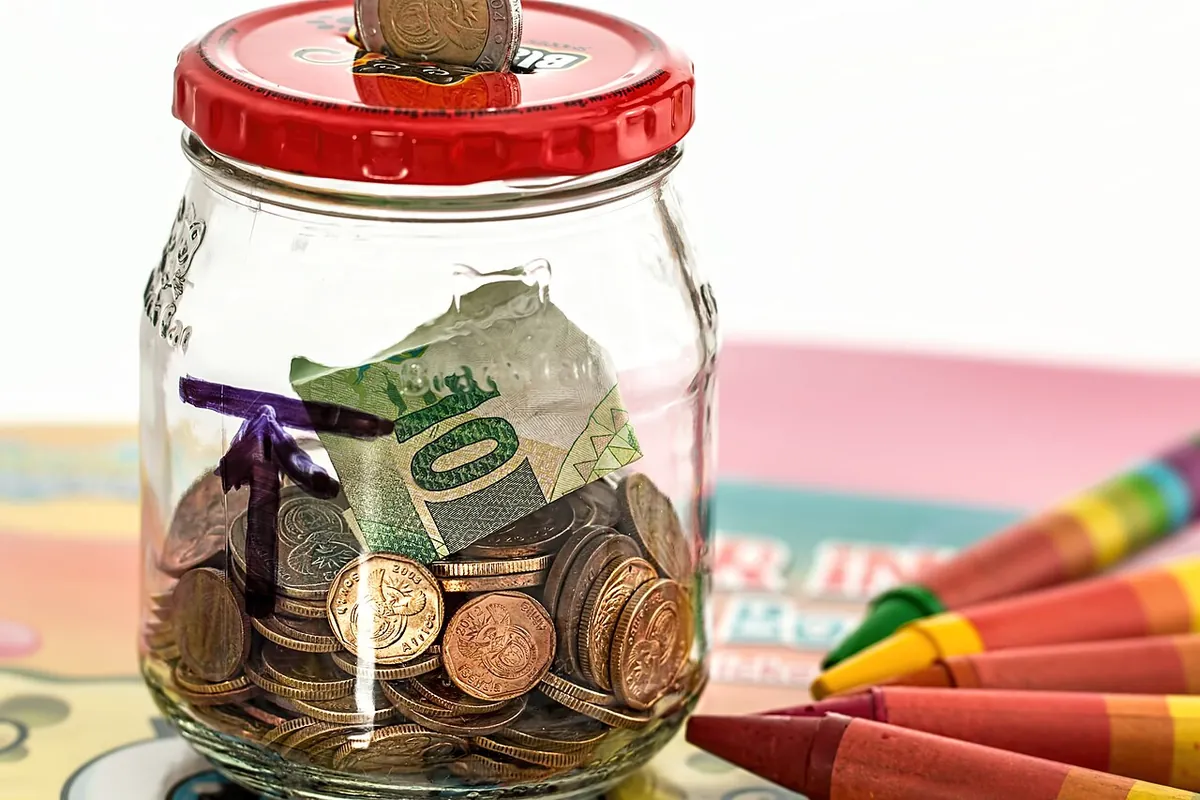 When to start giving pocket money and how much
When a child is ready for their own money, how to choose the right amount, and what to do if it's all spent in a day. What research says about forming money habits.
-
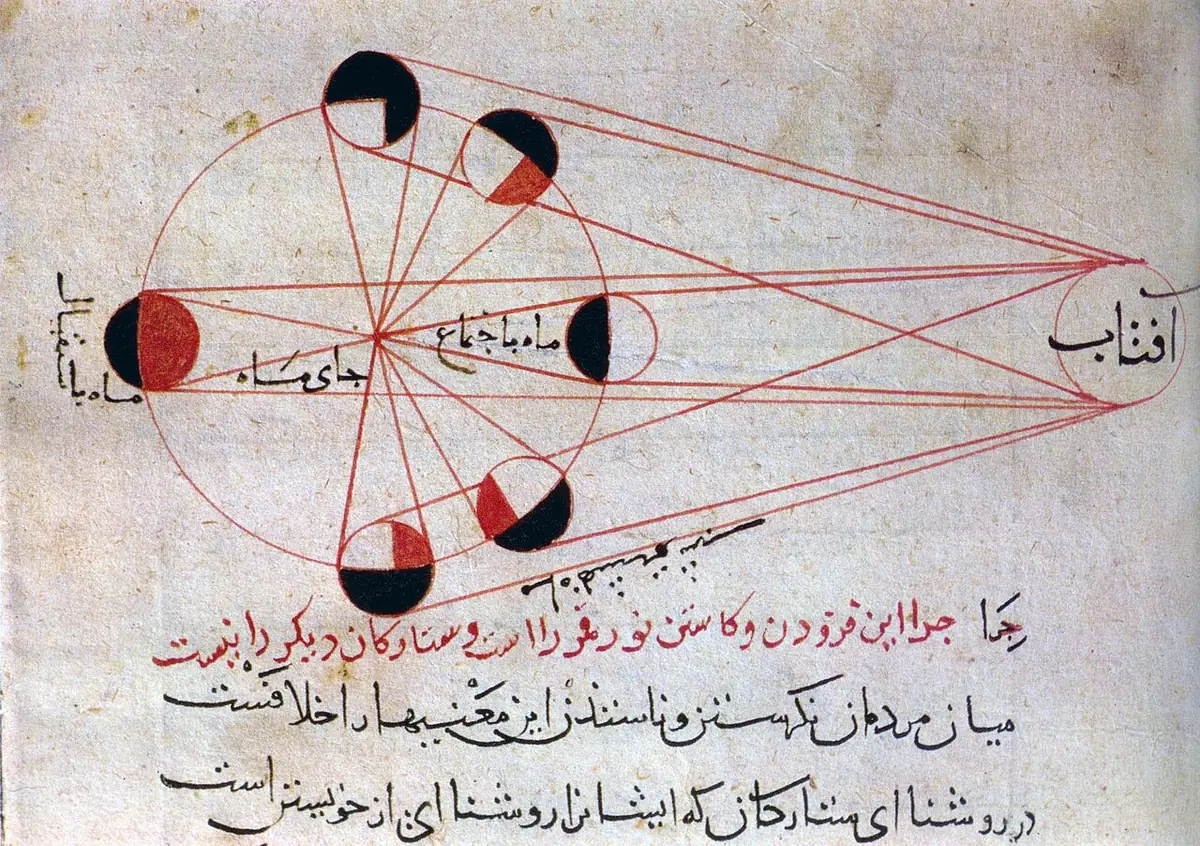 Why the Moon changes shape. A lamp and ball experiment
How to explain the phases of the Moon to a child. Why it's sometimes round and sometimes a thin crescent, and how to show it at home with a lamp.
-
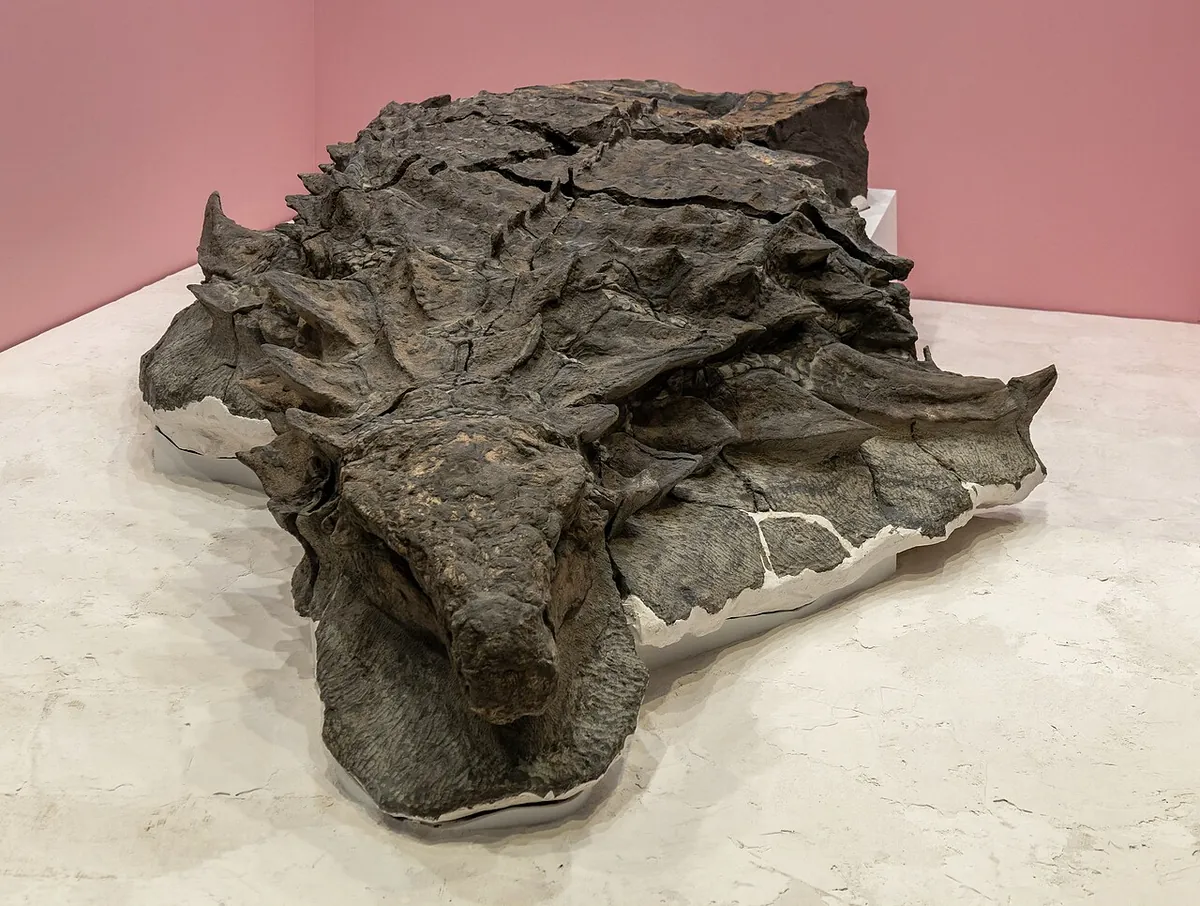 What colour were dinosaurs and how do scientists know?
How scientists reconstructed dinosaur colours from tiny pigment grains in fossilised feathers. Three real examples and what we still don't know about T. rex.