 Growney
Why do babies have more bones than adults? How to explain it
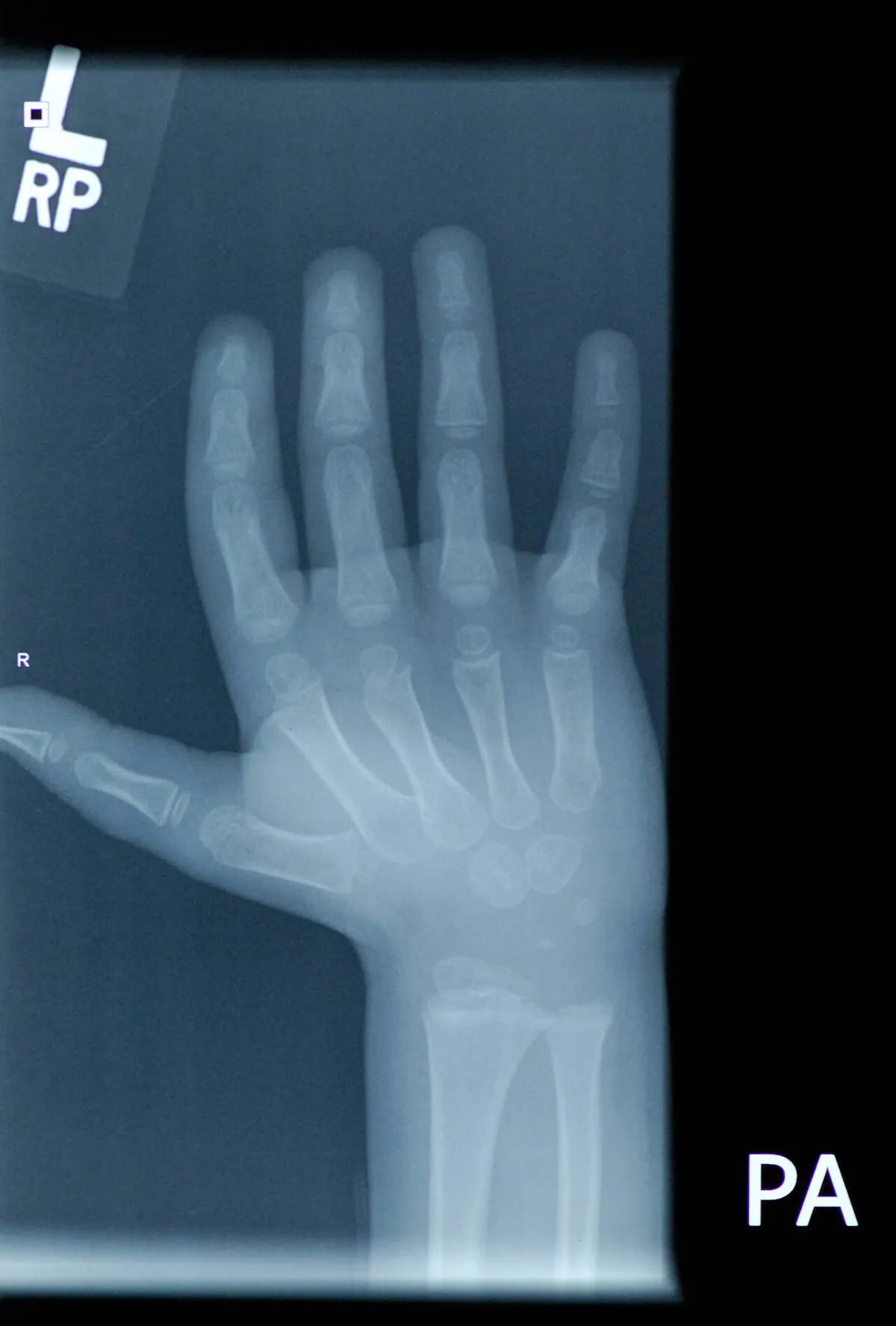

A child flicks through a book about the body and reads that an adult has 206 bones. Then, they find out that a baby has about three hundred. How can that be, when a baby is so much smaller? It is a brilliant question, and you can find the answer on your own body.
The one-sentence answer
How many bones a baby has
It is hard to give an exact number, and doctors quote slightly different figures. According to the Cleveland Clinic, a newborn has between 270 and 300 bones. The KidsHealth site for children rounds it up to three hundred. An adult usually has 206, although even that varies. The Cleveland Clinic says adults have between 206 and 213 bones, so the count differs a little from person to person.
The bones do not disappear or get lost. They fuse. Two or three separate pieces become one strong bone over the years. So when we count an adult's bones, we are counting the finished, joined ones.

The soft spot on the head
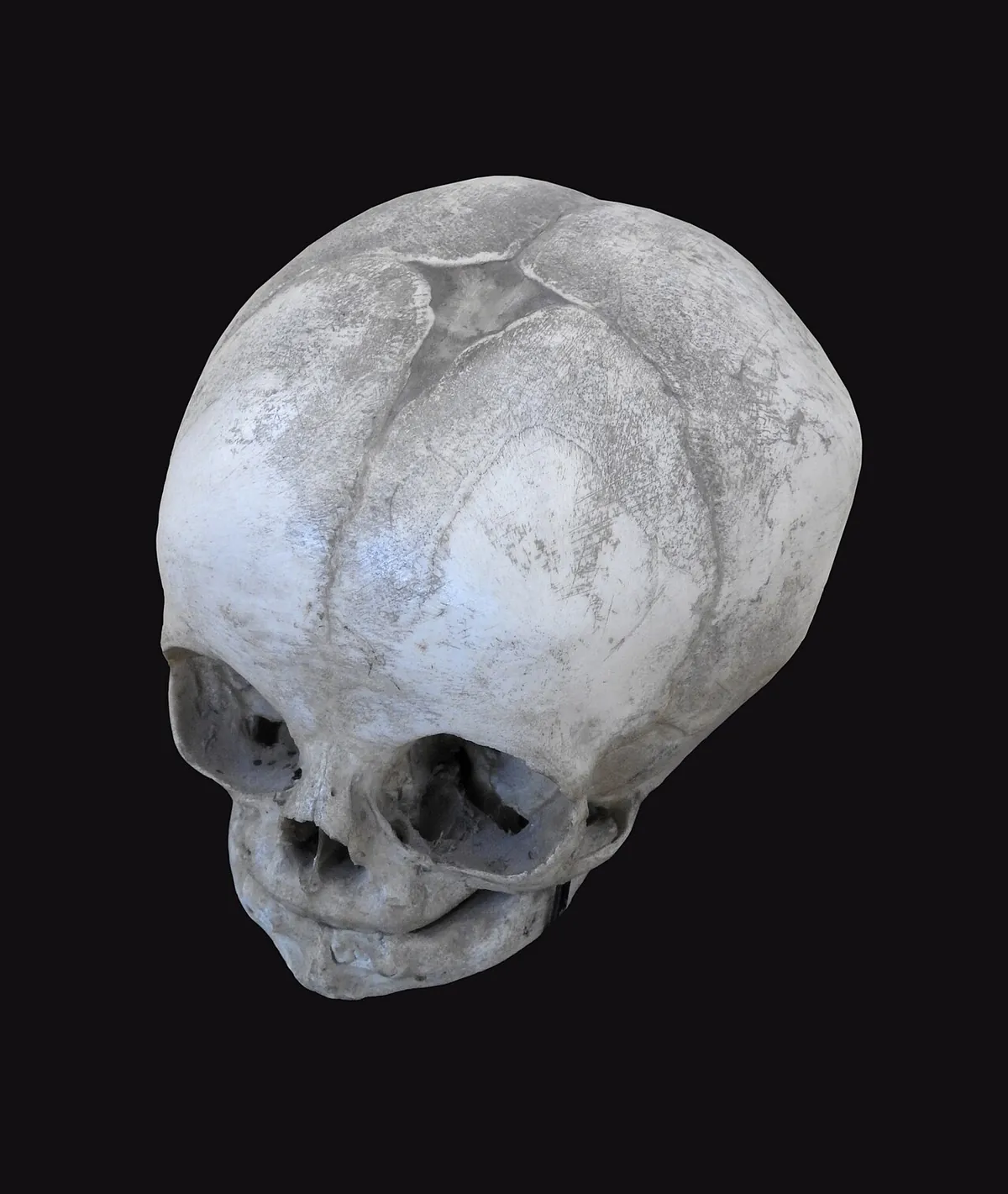
The head is the easiest place to see this. A baby's skull is made of separate plates that have not joined yet. The American Academy of Pediatrics explains why. The plates can shift a little, which helps the head pass through during birth. They also leave room for the brain to grow during the first year.
Where the plates do not meet, there are soft spots called fontanelles. The front one, the bigger of the two, usually closes between 12 and 18 months. The small one at the back closes much earlier, at around 2 to 3 months. A thick layer lies under the soft spot, so touching it gently is safe. If the soft spot looks like it is bulging, or anything about it worries you, talk to your GP or health visitor.
What else fuses
It is not just the skull. At the bottom of the spine, there is a bone called the sacrum. In an adult, it is one bone, but it forms from five vertebrae that fuse together. According to the Cleveland Clinic, this takes until puberty to finish.
The pelvis works the same way. Each hip bone is made of three separate bones in childhood. They fuse into one during puberty. Overall, a child's bones keep joining up until the teenage years or a little after.
How bones grow
A child grows because their bones grow. Near the ends of the long bones in the arms and legs, there are growth plates. Britannica describes them as plates of cartilage. Cartilage is softer and bendier than bone. Your nose and ears are made of it, which is why they bend so easily. While a child is growing, these plates make the bone longer. When growth stops, they turn into bone too. The Cleveland Clinic says this happens at around 14 to 16.
So a child's skeleton is not finished yet. It keeps building for as long as the child is growing.
The "Find your bones" game
You can play this in the evening before bed, lying on the bed.
- Ask your child to feel the top of their head. It is hard and whole. Tell them that, as a baby, they had a soft spot there.
- Let your child bend forward and run a finger down their back. The bumps they can feel are vertebrae. Count together how many you can find.
- Find the kneecap. Ask your child to relax their leg and gently move the kneecap with their fingers.
- Feel the tip of the nose and an ear. They bend because they are cartilage, not bone.
- Put your child's hand against yours and compare. Your hand is bigger because your bones have finished growing, and theirs are still growing.

The biggest and the smallest bone
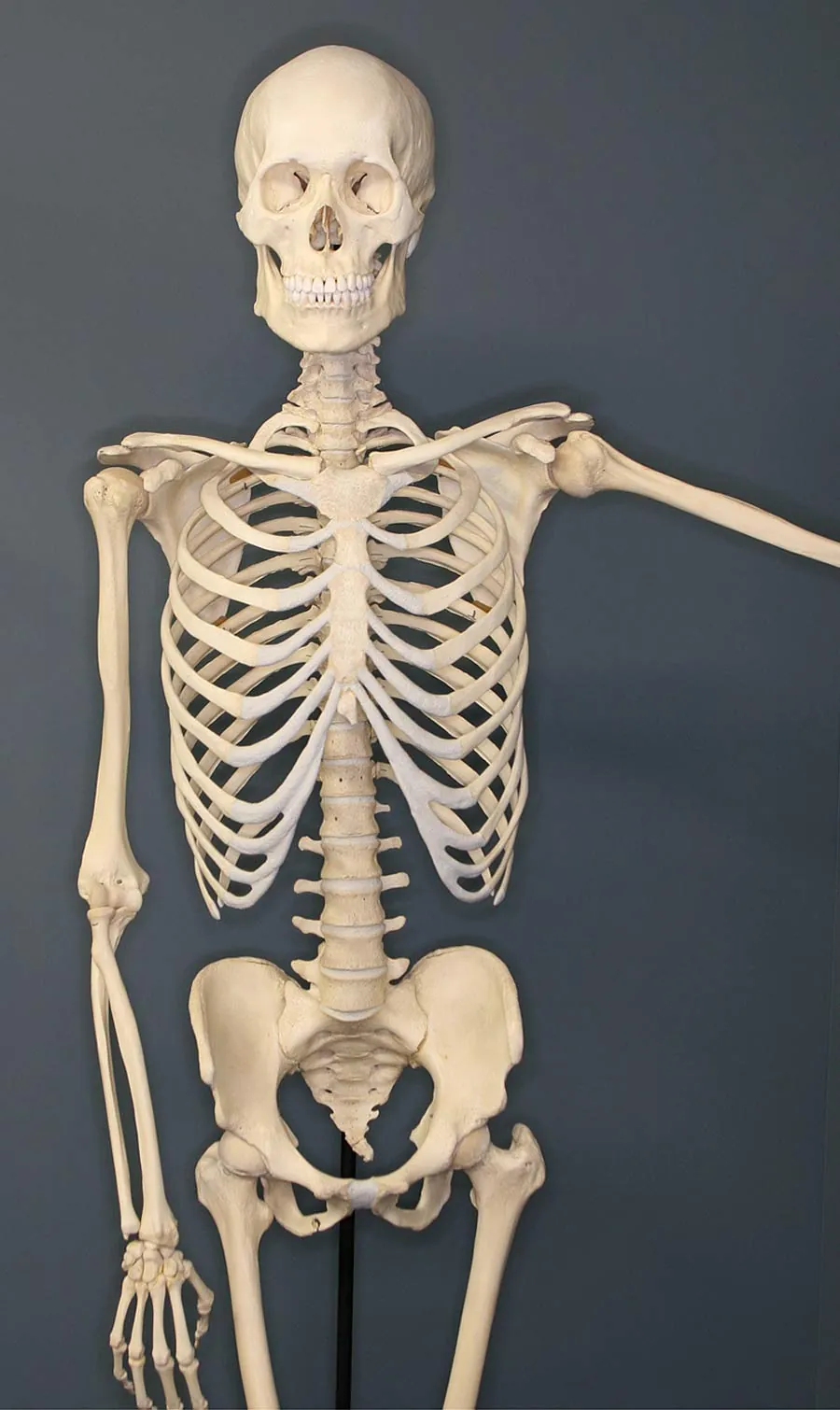
The longest and strongest bone in the human body is the thigh bone, the femur. According to the Cleveland Clinic, it can support up to thirty times your body weight. The smallest bone hides in the ear. It is the stapes, about three and a half millimetres long. Together with two neighbouring bones, it helps us hear.
So each of us carries both a giant and a tiny one. After a chat like this, your child will probably want to find a few more bones of their own, and then find out what else is hiding under the skin.