 Growney
Why do we get hiccups? How to explain it to a child

A child is sitting at the table when a "hic" suddenly pops out. Then another, and another. They laugh, get cross and ask who is hiccupping inside them and how to switch it off. The answer sits just below the lungs, in a muscle most grown-ups only think about once the hiccups start.
The answer in one sentence
The muscle that helps you breathe
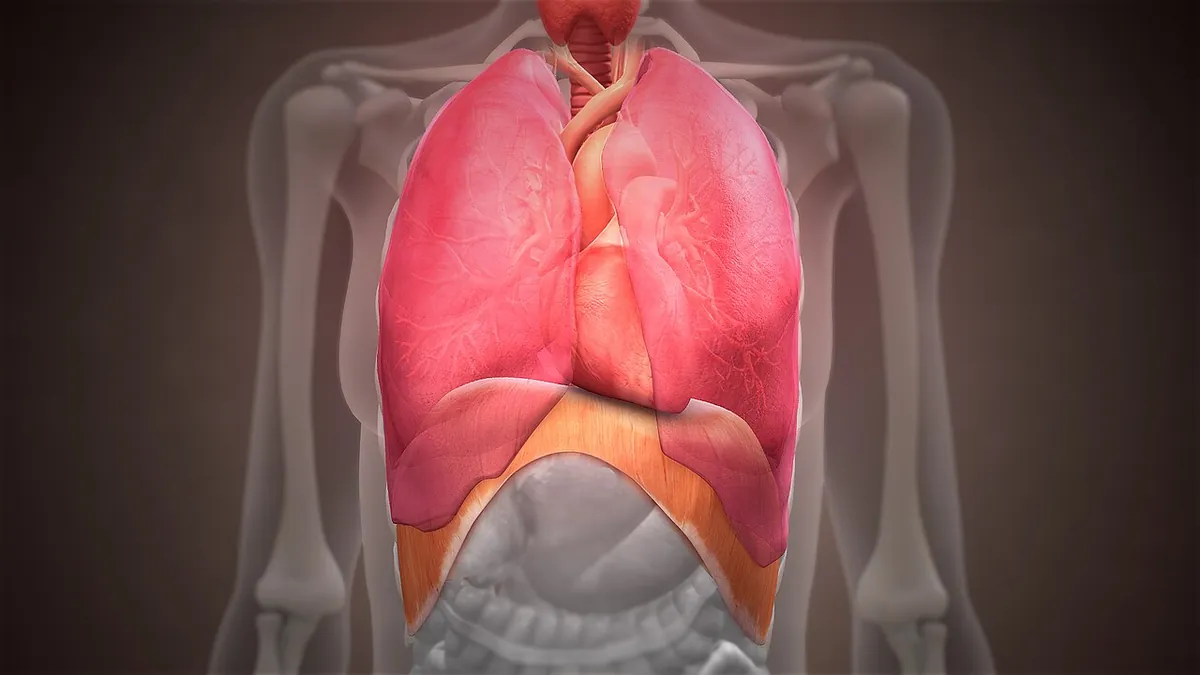
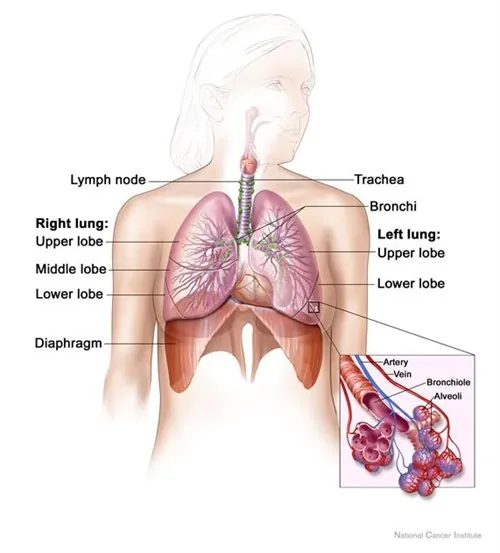
Below the lungs and the heart lies the diaphragm. Cleveland Clinic describes it as a thin, dome-shaped muscle. It separates the chest from the belly. When we breathe in, the diaphragm contracts and flattens, Britannica explains. That makes more room in the chest, and air flows into the lungs. When we breathe out, the diaphragm relaxes.
Usually it works smoothly and quietly, so we never notice it. We breathe while we sleep, while we play and while we read a book.

Where the "hic" comes from
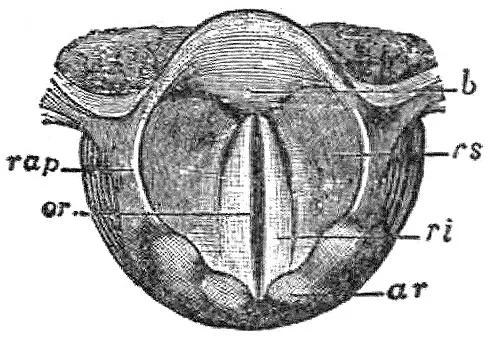
Sometimes the diaphragm twitches on its own, without us telling it to. Britannica defines a hiccup as exactly this kind of sudden contraction of the diaphragm. The body takes a sharp gulp of air. But the entrance to the windpipe shuts straight away. That is where the vocal folds are, the same ones we use to talk and sing. Cleveland Clinic explains that the "hic" sound comes from them closing so suddenly.
That is why hiccups are hard to stop by willpower. We do not control these twitches, just as we cannot tell our heart to beat more slowly.
Why hiccups start
Doctors cannot always say what set them off. The NHS says hiccups are sometimes triggered by excitement, stress, eating or drinking. Mayo Clinic adds fizzy drinks, eating too much and sudden changes in temperature. According to Cleveland Clinic, eating in a hurry can set them off too, because we swallow too much air.
Ordinary hiccups last a few seconds or minutes and go away by themselves. Both Cleveland Clinic and Mayo Clinic say so. The NHS advises seeing a GP if hiccups last longer than 48 hours or keep coming back and affect daily life.
Babies hiccup a lot. The American Academy of Pediatrics calls hiccups a normal part of the first year. They usually bother parents more than the baby.
Hiccups before birth
Researchers at University College London recorded the brain activity of thirteen newborns while they had hiccups. Every "hic" set off a big wave of signals in the brain. The scientists think this may help a baby learn to feel its breathing muscles and later control them. They say hiccups begin in the womb, as early as nine weeks into pregnancy. Premature babies hiccup for about 15 minutes a day.

The Hiccup Lab game
People have come up with lots of ways to stop hiccups. The NHS lists a few of them. Mayo Clinic warns that none of them is scientifically proven. So let's turn them into an experiment.
- Start a Hiccup Lab notebook. Draw a table with a column for everyone at home.
- First, find the diaphragm. Ask your child to put a hand just below the ribs and take a deep breath in through the nose. The belly under the hand rises because the diaphragm has moved down.
- When someone at home gets hiccups, start a stopwatch.
- Try one method from the NHS list. Sip a little ice-cold water, hold your breath for a short while, or sit and pull your knees up to your chest while leaning forward.
- Write down how many seconds it took for the hiccups to stop.
- Next time, try a different method and compare the results.
If hiccups last longer than two days, talk to your GP.
Hiccups that lasted 68 years
Most of us hiccup for a few minutes. Guinness World Records, though, lists a bout of hiccups that went on for 68 years. Charles Osborne started hiccupping after a fall in 1922 and only stopped in 1990. Guinness estimates he hiccupped more than 420 million times. Smithsonian Magazine says it is still the longest attack of hiccups Guinness has confirmed.
And a child who has just found their diaphragm under their palm might want to keep exploring and see what else is hiding in the chest, next to the lungs and the heart.