 Growney
How many times does the heart beat, and why doesn't it get tired?

A child presses a hand to their chest and feels something knocking inside. Then comes the question of whether it knocks at night, too, and whether it ever gets bored. It is a very good question. Legs get tired after a long walk, yet the heart keeps going for a whole lifetime.
The answer in one sentence
How many times the heart beats
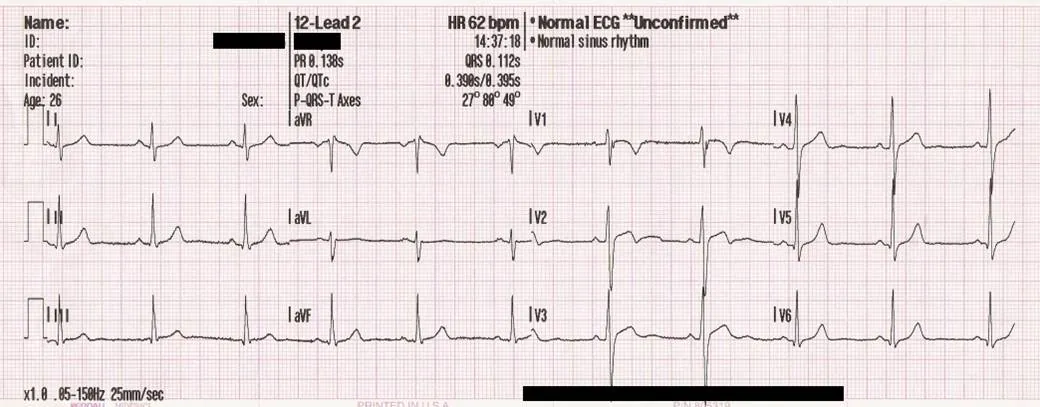
An adult heart at rest beats 60 to 100 times a minute, according to the Cleveland Clinic. That adds up to about a hundred thousand beats a day. Over an average life of almost 79 years, the heart beats nearly 2.9 billion times.
Children's hearts beat faster. The Cleveland Clinic's table gives 100 to 205 beats a minute for a newborn and 75 to 118 for a child aged 5 to 12, while a teenager's heart already beats like an adult's. The American Academy of Pediatrics adds that it is normal for a child's heartbeat to speed up during play, slow down during sleep, and change as the child grows.
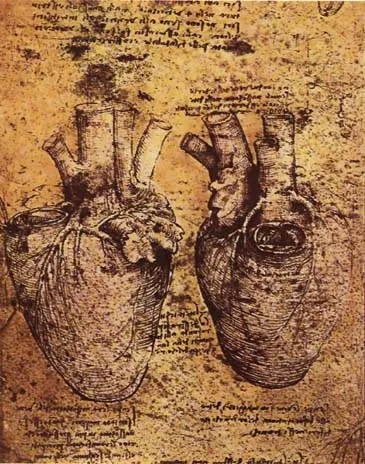
The heart itself is roughly the size of its owner's fist. It has four chambers, two at the top and two at the bottom. The right side sends blood to the lungs to pick up oxygen. The left side pumps that oxygen-rich blood around the whole body.

What sets the rhythm
The heart does not wait for us to tell it to beat. In its upper right chamber, there is a small group of cells called the sinoatrial node. Britannica and the Cleveland Clinic call it the heart's natural pacemaker. These cells send out an electrical signal on their own, and each signal makes the heart muscle squeeze.
The nervous system can hurry the node along or slow it down. That is why the heart beats faster when a child runs and more slowly when they sleep. If the node stops working well, other heart cells can take over the rhythm.
The familiar "lub-dub" sound comes from the valves. Britannica explains that the first "lub" is heard when the valves between the upper and lower chambers close. The "dub" comes from the valves where blood leaves the heart.
Why the heart doesn't get tired
The first reason is rhythm. Arm and leg muscles work in bursts, while heart muscle contracts in a steady, regular pattern, says Britannica. After each squeeze, it relaxes. This pause is called diastole. While the muscle rests, the chambers fill up with blood again. So the heart rests after every single beat, just very briefly.
The second reason is inside the cells. They contain mitochondria, tiny power stations that give a cell its energy. A scientific review reports that the heart has more mitochondria than any other organ. They take up about a third of each heart muscle cell. With that much energy on hand, the heart keeps working all day and all night.
A listening experiment
You will need a sheet of paper, some sticky tape, and a watch with a second hand or a phone stopwatch.
- Roll the paper into a tight tube about as long as an adult's hand and tape it closed.
- Let your child hold one end of the tube to the left side of your chest and the other end to their ear. In a quiet room, they will hear "lub-dub".
- Now find a pulse. The American Academy of Pediatrics suggests gently feeling inside the wrist, in the crook of the elbow, or at the side of the neck.
- Count the beats for 15 seconds and multiply by four. That gives the beats per minute.
- Ask your child to jump on the spot for a minute, then count again. The number will be higher.
- Sit quietly for a few minutes and count a third time. The heart will slow down again.
If a pulse seems very fast, very slow, or uneven, have a word with your GP or paediatrician.

The paper tube that started it all
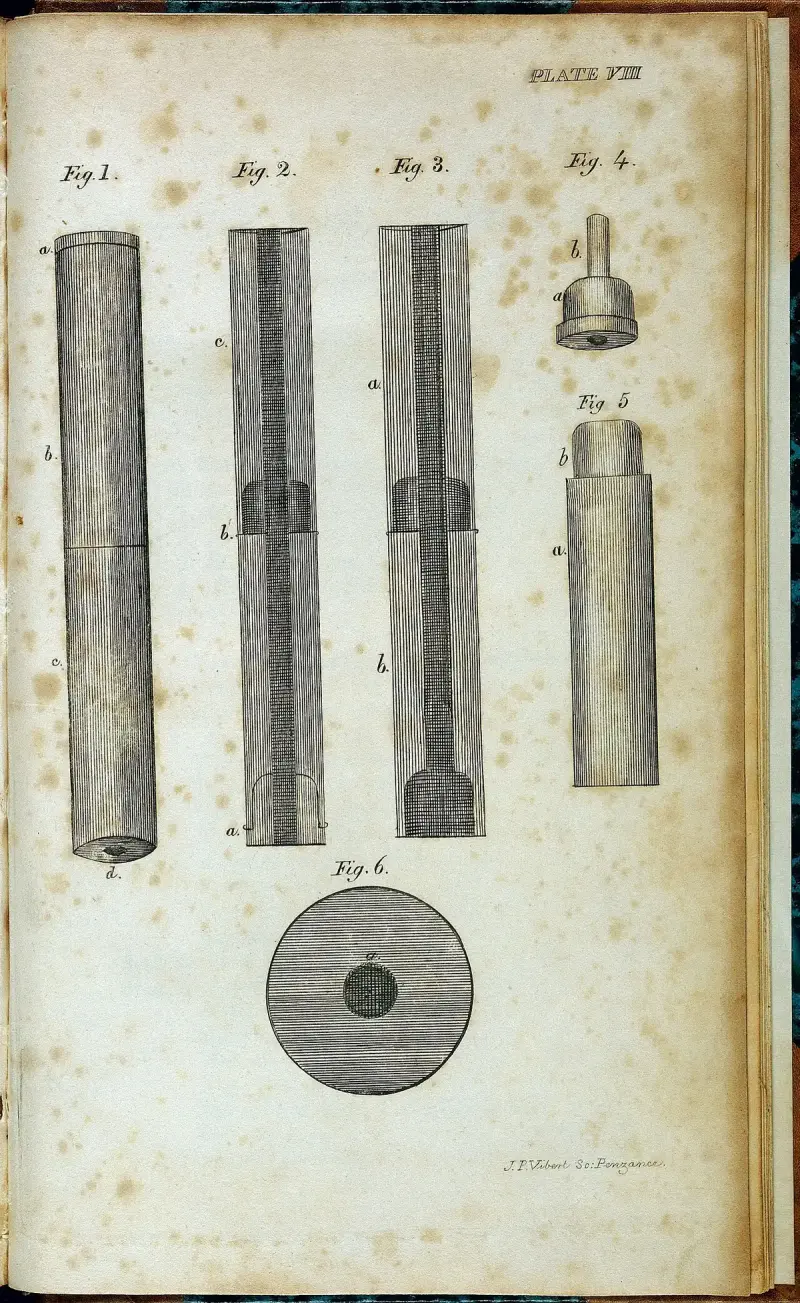
Your paper tube has a proud history. The Science Museum in London tells the story of a French doctor, René Laennec. He felt it was improper to put his ear to a patient's chest, so he rolled a sheet of paper into a tube. Her heart sounded even clearer through it. Britannica dates this to 1816, at the Necker Hospital in Paris.
Laennec later made a sturdier tube from wood and called it a stethoscope, from the Greek words for "chest" and "explore". Today, every doctor wears its distant descendant around their neck. And a child who has just heard a heart through paper will probably want to know where all that blood goes and what the other organs are doing.