 Growney
What was the biggest dinosaur? How to explain it to a child
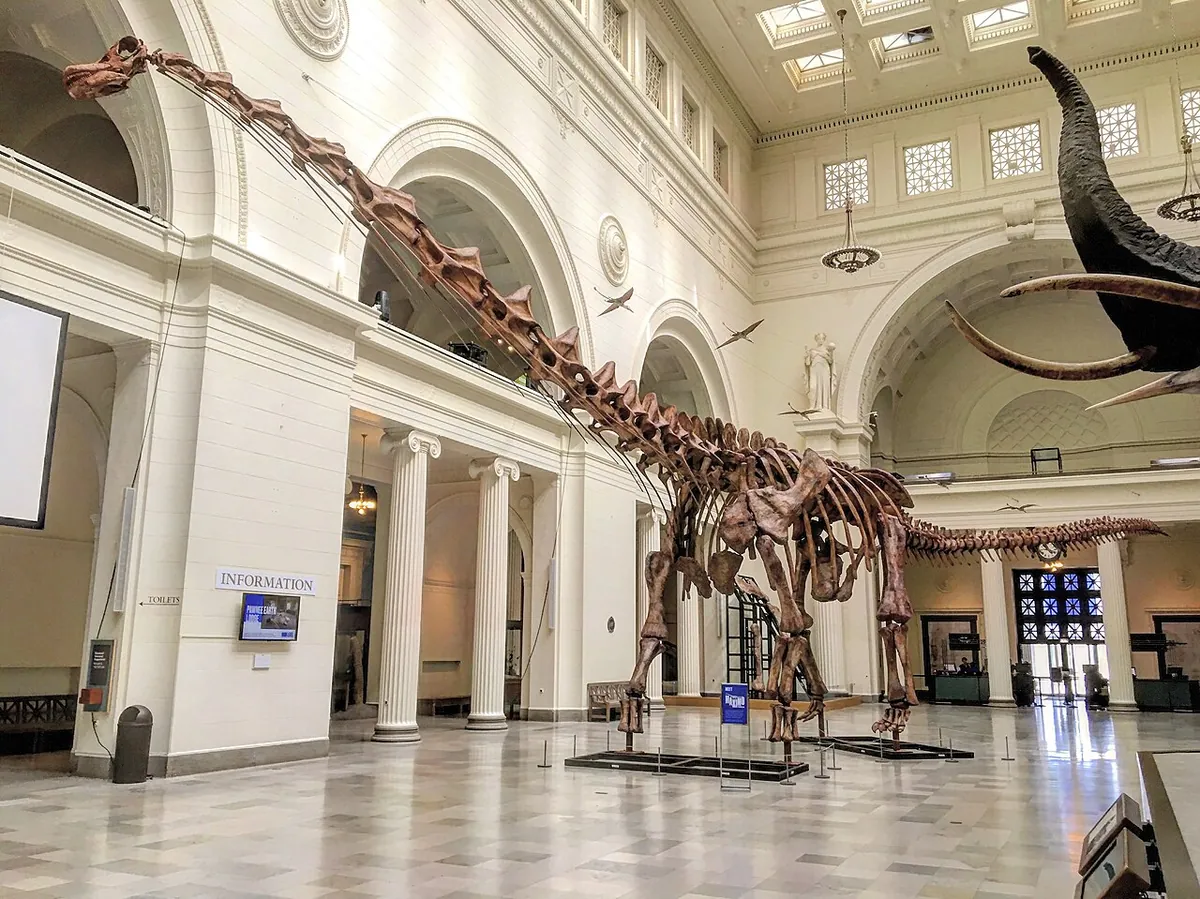

A child leafing through a dinosaur book asks which one was the biggest. One name won't do, because scientists are still arguing about it. Nobody has found one of these giants whole, so its weight has to be worked out from its bones. For a child, that makes a ready-made detective story, and you can measure the giant's size outdoors with a tape measure.
The answer in one sentence
Who is competing for first place
A ranch worker found Patagotitan in 2010 at La Flecha ranch in Argentine Patagonia. He spotted a large bone in the ground. The dig that followed turned up the remains of at least six animals. The Natural History Museum in London puts its length at 37 metres and its weight at about 57 tonnes. That is about eight T. rexes. A single thigh bone measures 2.38 metres.
Argentinosaurus, according to the same museum, was about 35 metres long and weighed 70 tonnes. That makes it shorter, but heavier. The museum adds straight away that its exact size is hard to estimate because the remains are incomplete.
The scientists who described Patagotitan in 2017 called it the largest known species. Palaeontologist Mathew Wedel disagreed and spoke of a three-way tie between titanosaurs, since there is also Puertasaurus. He compared their back vertebrae. They reach 60 centimetres across in Argentinosaurus and Puertasaurus and 59 centimetres in Patagotitan. One centimetre of difference on an animal several buses long won't settle a championship.
How do you weigh something that's gone?
The first method comes from living animals. The heavier the body, the thicker the bone holding it up. Scientists measured the circumference of upper arm and thigh bones in modern animals, worked out the relationship, and applied it to dinosaurs. For Patagotitan, this gave 69 tonnes, give or take 17. For Argentinosaurus, a 2014 study came to about 90 tonnes.
The second method is a bit like modelling clay. From the skeleton, scientists build a 3D model of the body and calculate its volume. The authors who described Patagotitan made several such models and got 45, 51, and 77 tonnes. The result depended on how much soft tissue they added to the bones.
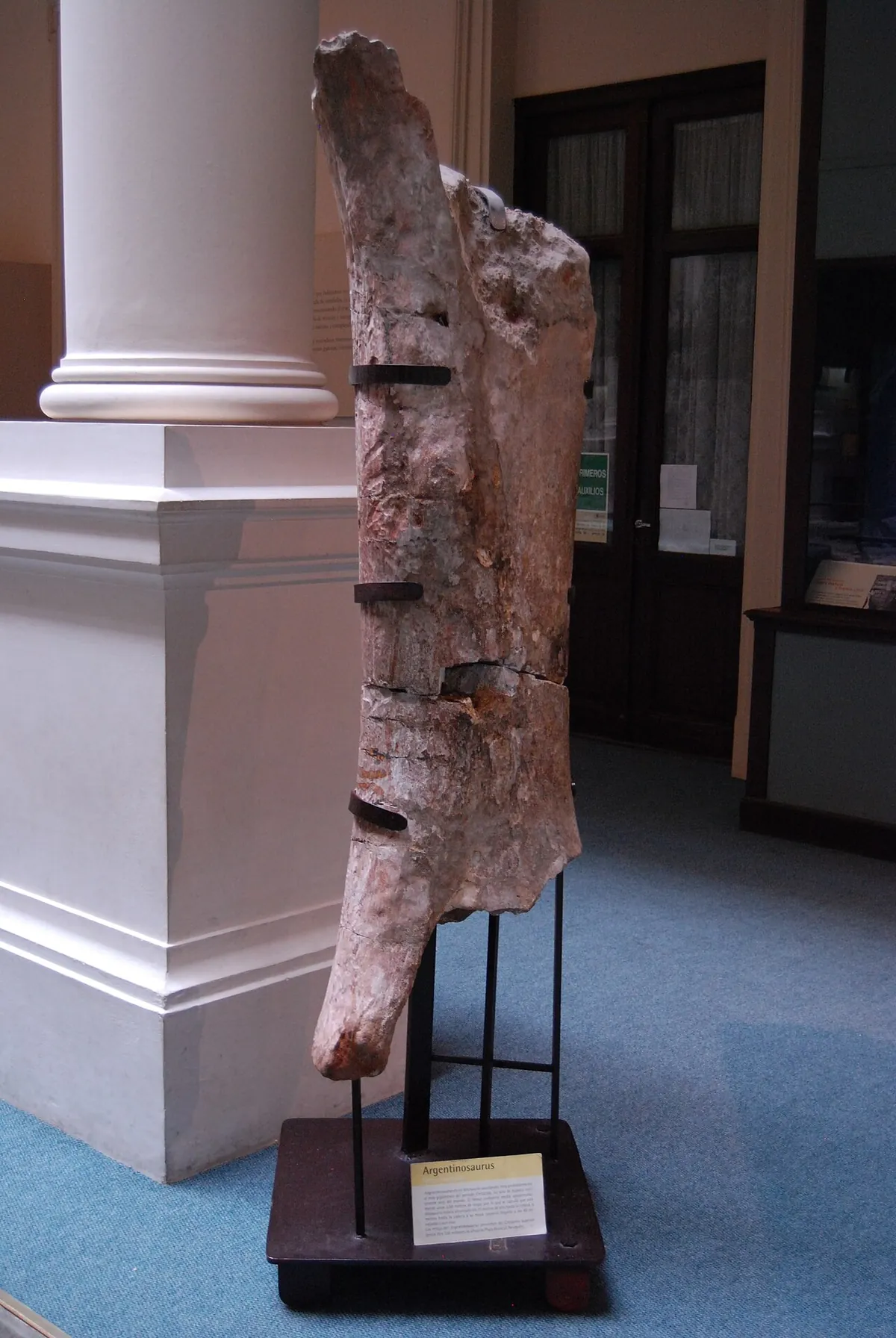

Argentinosaurus is harder still. The authors who described Patagotitan write that the first method doesn't work for it because its remains lack the limb bones it needs. Other researchers calculate from thigh bones that were attributed to it later. That is where such a wide spread of numbers comes from.
None of this means scientists are guessing. A 2020 review compared both methods across many dinosaurs. In 73 per cent of cases, they agreed. With giants, the spread is larger because so few bones have been found.
How a giant grew from a grapefruit
Females of these dinosaurs laid roughly ten eggs at a time, each about the size of a large grapefruit. The babies were probably on their own from the start. The London museum says Argentinosaurus took about 15 years to grow up.
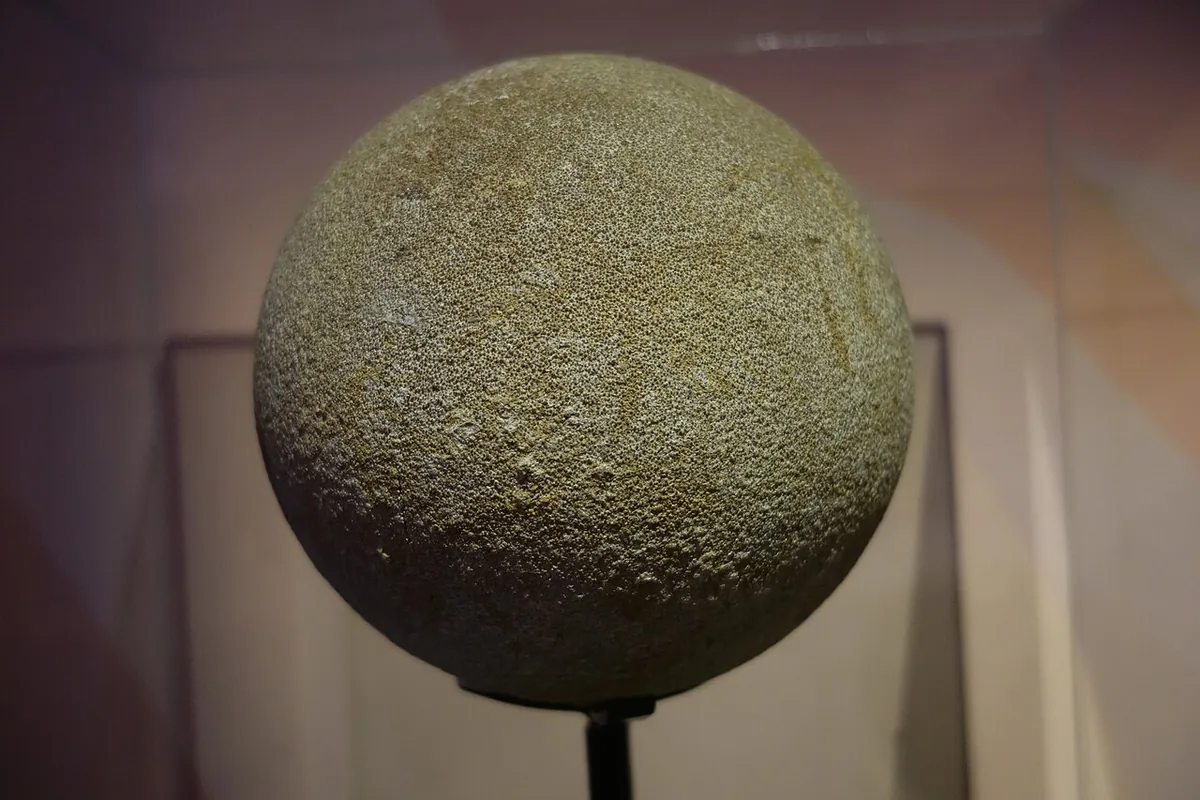

A few features let them reach that size. Air sacs made the skeleton lighter without making it weaker. The head was small because the teeth only stripped leaves and there was no chewing to do. A head like that is easier to hold up on a long neck. They also laid many eggs instead of carrying a single baby. Why these animals in particular grew so large is something scientists are still working out.
Measure the giant together
- Length. Measure your child's step with a tape measure and work out how many steps fit into 37 metres. Walk that distance outdoors and look back.
- Bone. Stick a strip of masking tape on a wall, 2 metres 38 centimetres high. Stand your child next to it. That is the length of one Patagotitan thigh bone.
- Thickness. Wrap a thread around your child's wrist and your own, then compare the threads. A heavier body needs thicker bones. The scientists' first method starts from that idea.
- Weight. Divide 57,000 kilograms by your child's weight. If your child weighs 30 kilograms, it would take 1,900 children like that to balance a Patagotitan.
- Egg. Put a grapefruit at the start of your 37 metres. From an egg that size, a titanosaur grew to fill the whole distance.
One more amazing fact
All these giants lose to an animal alive right now. The American agency NOAA calls the blue whale the largest animal ever to live on our planet. It reaches about 33 metres and weighs up to 150 tonnes. Even the 90-tonne estimate for Argentinosaurus falls short of that. The record on land stays with the titanosaurs, and the record of all time is swimming in the ocean.