 Growney
How much sleep does a child need? What WHO and paediatricians advise
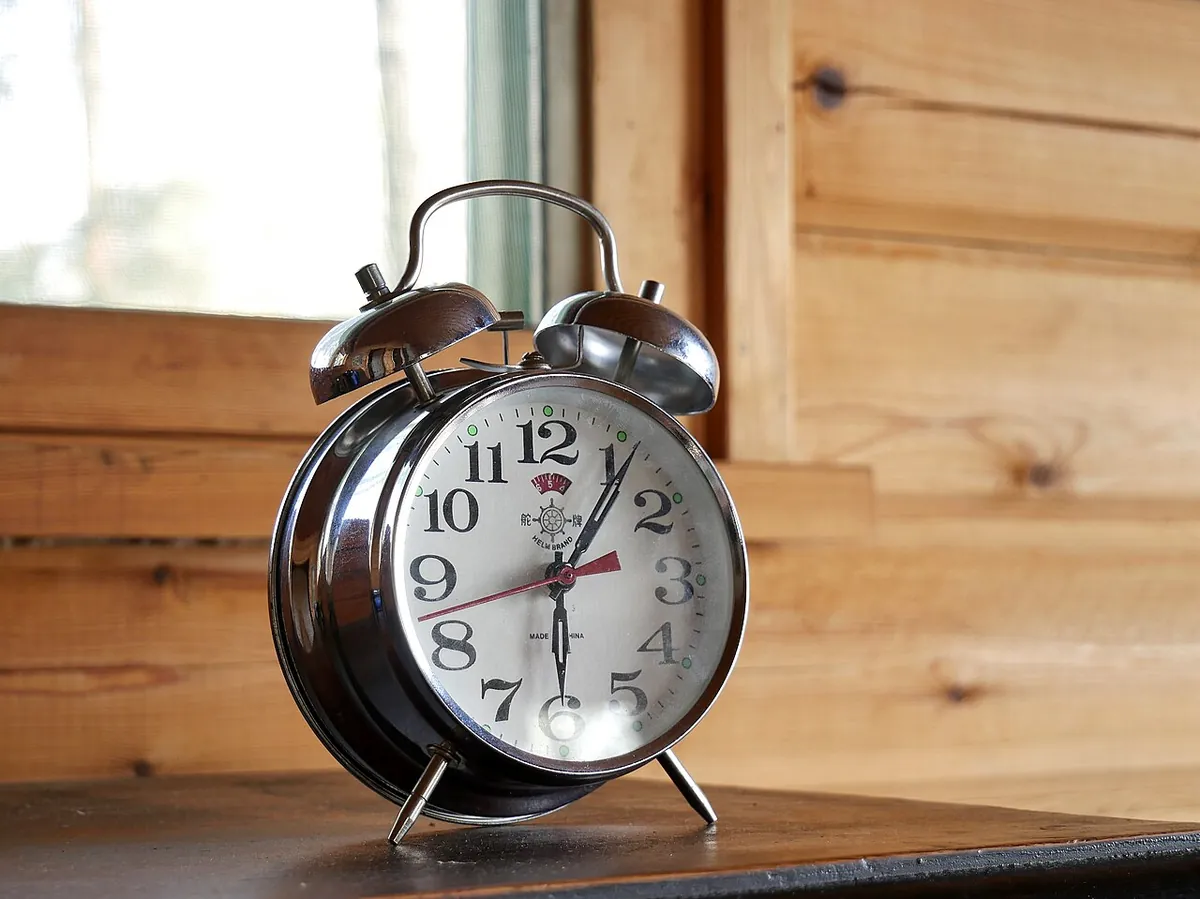

At bedtime, a child asks for one more story, one more glass of water and five more minutes of play. Meanwhile, the parents are working out when everyone has to get up and wondering whether it will be enough sleep. Doctors have fairly precise answers to that question.
The answer in one sentence
What WHO advises for the youngest
In 2019, the World Health Organization published its first guidelines on movement, sitting and sleep for children under five. They say a baby up to three months old needs 14 to 17 hours of good quality sleep a day, naps included. From four to eleven months, it is 12 to 16 hours. A child of one or two needs 11 to 14 hours, and a three- or four-year-old needs 10 to 13.
WHO also stresses routine. Going to bed and waking up at about the same time every day helps. So both the number of hours and how evenly they fall across the week matter.
What paediatricians say about older children and teenagers
In 2016, the American Academy of Sleep Medicine brought together 13 experts. They reviewed 864 scientific papers and set out how much sleep children need up to the age of 18. The American Academy of Pediatrics (AAP) endorsed these figures.
- From four to twelve months, 12 to 16 hours.
- From one to two years, 11 to 14 hours.
- From three to five years, 10 to 13 hours.
- From six to twelve years, 9 to 12 hours.
- From thirteen to eighteen years, 8 to 10 hours.
All the figures are per 24 hours, naps included. The authors write that children who regularly sleep this much show better attention, behaviour, learning, memory and control of their emotions. When sleep is regularly too short, problems with attention, behaviour and learning are more common. The risk of injuries, high blood pressure, obesity, diabetes and depression goes up too.
The experts point out that healthy sleep is about more than just hours. It also matters when a child sleeps, how well, how regularly, and whether there are any sleep disorders.
What the brain does at night
Sleep runs in cycles. First comes light sleep, then deeper sleep, then the deepest stage, and after that, rapid eye movement (REM) sleep. Then it all starts again. That is how the US National Institute of Child Health and Human Development (NICHD) explains it.
Scientists think REM sleep helps us store memories, learn and keep our mood steady. So a good night's sleep also helps process and consolidate what a child learned during the day.
How to make bedtime calmer

- Count back from the morning. Find how many hours your child needs in the list above and take them away from the wake-up time. That gives you the time your child should already be asleep.
- Keep the same time every day. The AAP suggests regular times for waking, meals, naps and play as well. Children feel more secure, and evenings go more smoothly.
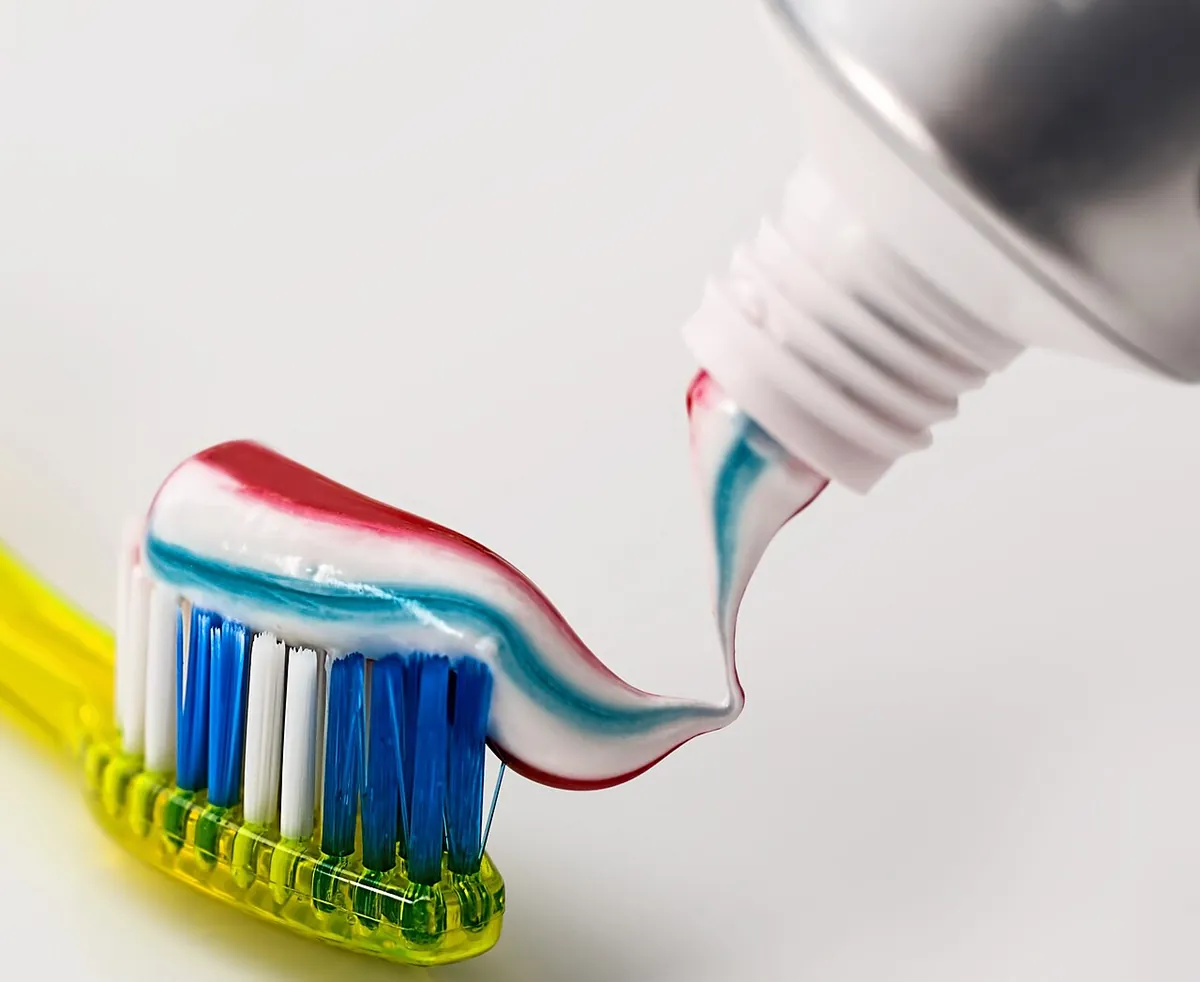
- Try the simple routine “brush, book, bed”. It is an AAP programme. Your child brushes their teeth, you read a favourite book together, and then it is time to sleep.
- Make the routine portable. The AAP suggests steps you can repeat anywhere, at Grandma's or on holiday.
- Switch screens off at least half an hour before bed. That is the AAP's advice. TVs, computers and tablets are best kept out of a child's bedroom.
- Lead by example. The AAP suggests showing through your own habits that sleep matters.
If your child takes a long time to fall asleep, wakes often or snores, talk to your GP or paediatrician. The AAP says most sleep problems are easy to treat.
The precious hours before dawn
NICHD notes one more curious thing. As the night goes on, REM periods grow longer and deep sleep gets shorter. So the last part of the night is especially rich in the stage that helps memory.


When a child goes to bed late but still has to get up at the same time, it is exactly those early morning hours that get lost. That is why agreeing on evening screens, late games and a calm routine does more than help a child fall asleep on time. It protects the part of the night when the brain works on memory. You can start the conversation by asking, “What do you think your brain will be doing tonight?”